HIGHLIGHTS OF PRESCRIBING INFORMATION
These highlights do not include all the information needed to use
SUNHARBO safely and effectively. See full prescribing information for
SUNHARBO.
SUNHARBO® (asundexian) tablets, for oral use
Initial U.S. Approval: 2026
INDICATIONS AND USAGE
SUNHARBO is a factor XIa inhibitor indicated in combination with
antiplatelet therapy to reduce the risk of stroke in adults with recent non-
cardioembolic ischemic stroke (NIH Stroke Scale ≤15) or high-risk transient
ischemic attack (TIA).
DOSAGE AND ADMINISTRATION
- The recommended dose is 50 mg orally once daily. Tablets may be taken
with or without food. (2.1) - Tablets may be crushed and mixed with water or soft food immediately
prior to oral administration or tablet may be given through nasogastric or
gastric feeding tubes. (2.2) - See Full Prescribing Information for instructions and administration.
(2.1, 2.2)
DOSAGE FORMS AND STRENGTHS
Tablets: 50 mg (3)
CONTRAINDICATIONS
None.
ADVERSE REACTIONS
The most frequently reported (>3%) adverse reaction was diarrhea. (6.1)
To report SUSPECTED ADVERSE REACTIONS, contact Bayer
HealthCare Pharmaceuticals Inc. at 1-888-842-2937 or FDA at 1-800-
FDA-1088 or www.fda.gov/medwatch.
DRUG INTERACTIONS
- Avoid concomitant use with combined P-gp and strong CYP3A4
inducers. (7.2)
USE IN SPECIFIC POPULATIONS
- Lactation: Advise not to breastfeed. (8.2)
- Moderate to Severe Hepatic Impairment (Child-Pugh B and C): Not
recommended. (8.6)
See 17 for PATIENT COUNSELING INFORMATION and FDA-
approved patient labeling.
Revised: 11/2026
FULL PRESCRIBING INFORMATION: CONTENTS*
2.2 Preparation and Administration
2.4 Patients Undergoing Surgery and Other Invasive Procedures
2.5 Patients Undergoing Thrombolysis
6.1 Clinical Trials Experience
7.1 Effect of Sunharbo on Other Drugs
*Sections or subsections omitted from the full prescribing information are not listed.
FULL PRESCRIBING INFORMATION
1 INDICATIONS AND USAGE
Sunharbo is indicated in combination with antiplatelet therapy to reduce the risk of stroke in adults with recent non-
cardioembolic ischemic stroke (NIH Stroke Scale ≤15) or high-risk transient ischemic attack (TIA).
2 DOSAGE AND ADMINISTRATION
2.1 Recommended Dosage
The recommended dosage of Sunharbo is 50 mg orally once daily. Tablets may be taken with or without food.
2.2 Preparation and Administration
Swallow SUNHARBO tablets whole.
For patients who are unable to swallow whole tablets, the Sunharbo tablet may be administered in the following ways:
Oral Administration of Crushed Tablets
- Crush the tablet (a tablet crusher is recommended).
- Mix the crushed tablet with water or soft foods.
- Consume the entire mixture immediately.
Feeding Tube Administration (nasogastric or gastric tube)
- Place an intact tablet in a syringe with 10 mL of non-carbonated water and shake for 15 seconds every 30 minutes
for 2 hours. Shake for at least 15 seconds immediately before administration. - Alternatively, crush the tablet (a tablet crusher is recommended), suspend in 10 mL of non-carbonated water, and
transfer the suspension to a syringe. - Administer the entire suspension according to feeding tube instructions.
- After administration, rinse all preparation equipment twice with a total of 10 mL of non-carbonated water flushes
each time. Administer each rinse via the feeding tube.
Storage of the Prepared Syringe
If needed, the resulting suspension can be stored in the syringe between 2°C to 30°C (36°F to 86°F) for up to 24 hours.
Label the syringe with the product name (Sunharbo), the dose strength (50 mg), and the time/date of preparation.
Immediately before administration, shake the syringe again for about 15 seconds.
2.3 Missed Dose
Patients should take a missed dose as soon as possible on the same day. If the missed dose cannot be taken within the
same day, the patient should skip the missed dose and resume with the next scheduled dose at the regular time.
2.4 Patients Undergoing Surgery and Other Invasive Procedures
Sunharbo should be interrupted at least 24 hours before elective surgery or invasive procedure. Sunharbo should be
restarted after the surgical or other procedures as soon as adequate hemostasis has been established.
2.5 Patients Undergoing Thrombolysis
Thrombolysis (with or without thrombectomy): Concomitant use of Sunharbo within 48 hours prior to thrombolysis has
not been studied and the risk of bleeding is unknown. Sunharbo should be withheld for at least 24 hours after thrombolysis
for acute ischemic stroke.
3 DOSAGE FORMS AND STRENGTHS
Film-coated tablet: 50 mg, oval, biconvex, dark orange, marked ‘BAY’ on one side and ‘50’ on the other side.
4 CONTRAINDICATIONS
None.
6 ADVERSE REACTIONS
6.1 Clinical Trials Experience
Because clinical trials are conducted under widely varying conditions, adverse reaction rates observed in the clinical trials
of a drug cannot be directly compared to rates in the clinical trials of another drug and may not reflect the rates observed
in practice.
The safety of Sunharbo was evaluated in adults after a non-cardioembolic ischemic stroke or high-risk TIA in the
OCEANIC-STROKE study, in which 6,124 patients received Sunharbo 50 mg once daily and 6,130 patients received
placebo over a median duration of 14.2 months. [see Clinical Studies (14)].
In the OCEANIC-STROKE study, 67% of the patients received dual antiplatelet therapy (DAPT) (median duration 32
days) and 87% of the patients received single antiplatelet therapy (SAPT) (median duration 498 days). As patients may
have switched antiplatelet therapy during the study, they may be included in more than one category.
Among treated patients, approximately 30% received a prophylactic dose of heparins including low molecular weight
heparins (LMWH) and heparinoids (median duration 4 days) concomitantly within the intervention period.
Bleeding
The primary safety endpoint in the OCEANIC-STROKE study was International Society on Thrombosis and Haemostasis
(ISTH) major bleeding. The rate of ISTH major bleeding was similar between Sunharbo and placebo groups (1.6 vs. 1.5
per 100 person-years) with a hazard ratio (HR) of 1.1 (95% CI: 0.8-1.4) in a time-to-event analysis using the Cox
proportional hazards model and log-rank test. The rate of ISTH major bleeding events within 90 days of treatment
initiation was 4.5 vs. 3.1 per 100 person-years in the Sunharbo and placebo groups, respectively (HR: 1.46 [95% CI: 0.99,
2.16]).
In patients planned to receive DAPT, the rate of ISTH major bleeding events was 1.9 vs. 1.5 per 100 person-years in the
Sunharbo and placebo groups, respectively. In subjects not planned to receive DAPT, rates were similar between groups
(1.3 vs. 1.4 per 100 person-years).
Among patients older than 75 years (25% of the study population), the rate of ISTH major bleeding was 2.6 vs. 1.7 per
100 person-years in the Sunharbo and placebo groups, respectively.
In the high-risk TIA subgroup (5% of the study population), the rate of ISTH major bleeding was 2.9 vs. 1.0 per 100
person-years in the Sunharbo and placebo groups, respectively; the median onset of ISTH major bleeding events in the
high-risk TIA subgroup receiving Sunharbo was 30 days.
Table 1 summarizes the results of the bleeding endpoints in the OCEANIC-STROKE study. The rate of gastrointestinal
(GI) bleeding was higher in the Sunharbo compared to placebo group (2.7 vs. 2.1 per 100 patient-years) with a HR of 1.3
(95% CI: 1.0, 1.6). The majority of GI bleeding events in the Sunharbo group (74%) were clinically relevant non-major or
minor bleeding, and the most frequent bleeding site was of rectal origin.
Table 1: Bleeding Endpoints in the OCEANIC-STROKE Study
| Sunharbo N=6124 | Placebo N=6130 | ||
|---|---|---|---|
| n (n per 100 patient- years) | n (n per 100 patient- years) | Hazard Ratio (95% CI) | |
| ISTH major bleeding* | 117 (1.6) | 107 (1.5) | 1.1 (0.8, 1.4) |
| Composite of ISTH major or clinically relevant non- major bleeding* | 339 (4.9) | 307 (4.4) | 1.1 (1.0, 1.3) |
| ISTH clinically relevant non-major bleeding* | 231 (3.3) | 210 (3.0) | 1.1 (0.9, 1.3) |
| Symptomatic intracranial hemorrhage* | 41 (0.6) | 36 (0.5) | 1.2 (0.7, 1.8) |
| Hemorrhagic stroke* | 13 (0.2) | 20 (0.3) | 0.7 (0.3, 1.3) |
| Fatal bleeding* | 14 (0.2) | 8 (0.1) | 1.8 (0.7, 4.2) |
| Minor bleeding* | 479 (7.2) | 512 (7.6) | 0.9 (0.8, 1.1) |
| Gastrointestinal bleeding* | 186 (2.7) | 147 (2.1) | 1.3 (1.0, 1.6) |
*Time to first occurrence
Abbreviations: N = number of subjects, n = number of subjects with event; rate calculated per 100 patient-years exposure, CI = confidence interval, ISTH =
International Society on Thrombosis and Haemostasis
ISTH major bleeding: Fatal bleeding, and/or symptomatic bleeding in a critical site, and/or clinically overt bleeding with hemoglobin drop ≥ 2 g/dL or requiring
transfusion of ≥ 2 units of red blood cells
ISTH clinically relevant non-major bleeding: Clinically overt bleeding meeting at least one of the following criteria: requiring treatment by a healthcare professional,
leading to hospitalization or increased level of care, requiring change in antithrombotic therapy, and is not ISTH major bleeding
Minor bleeding: All other overt bleeding that does not meet the above criteria for ISTH major or clinically relevant non-major bleeding
In the OCEANIC-STROKE study, the incidence of adverse events leading to treatment discontinuation was similar
between Sunharbo and placebo groups (10% in each group). The most common reason for treatment discontinuation in
both groups was newly diagnosed atrial fibrillation (~5% in each group), for which permanent discontinuation of
Sunharbo was required.
The most frequently reported (>3%) adverse reaction in Sunharbo-treated patients was diarrhea (3.4% vs. 2.8% in the
Sunharbo and placebo groups, respectively). Most cases of diarrhea in Sunharbo-treated patients were reported within the
first two months of treatment, were mild in severity, and resolved while on Sunharbo (77%).
Hepatic enzyme increased
Clinical data indicate that Sunharbo is associated with elevated hepatic enzymes. In the OCEANIC-STROKE study, an
elevation of alkaline phosphatase (ALP) more than 2 times above the upper limit of the normal range was observed in
2.0% versus 1.8% in the Sunharbo and placebo groups, respectively. Elevation of serum transaminases more than 3 times
above the upper limit of the normal range without a simultaneous elevation in total bilirubin was observed in 2.0% of
Sunharbo-treated patients and 1.6% of placebo-treated patients. The majority (74%) of the hepatic enzyme increased
events in Sunharbo-treated patients were reported as mild in severity. Substantial cholestatic liver injury (ALP >1000
U/L) or serious liver injury with jaundice were each reported in less than 0.02% of Sunharbo-treated patients, with the
greatest risk observed within the first 6 to 12 months of treatment with Sunharbo.
7 DRUG INTERACTIONS
7.1 Effect of Sunharbo on Other Drugs
P-gp substrates
Asundexian inhibits the P-gp transporter. Concomitant use of asundexian increased the exposure to digoxin [see Clinical
Pharmacology (12.3)].
Follow the recommendation in the approved product labeling for digoxin and sensitive P-gp substrates where minimal
concentration changes may increase the risk of adverse reactions.
7.2 Effect of Other Drugs on Sunharbo
Asundexian is cleared via carboxylesterase 1 (CES1) and to a minor extent via cytochrome P450 isoform 3A4 (CYP3A4).
Asundexian is a substrate for the P-glycoprotein (P-gp).
Combined P-gp and strong CYP3A4 inducers
Avoid concomitant use with combined P-gp and strong CYP3A4 inducers, which decreases asundexian exposure and may
lead to loss of efficacy [see Clinical Pharmacology (12.3)].
8 USE IN SPECIFIC POPULATIONS
8.1 Pregnancy
Risk Summary
There are no available data on Sunharbo use in pregnant women to evaluate for a drug-associated risk of major birth
defects, miscarriage, or adverse maternal or fetal outcomes. There are risks to the mother associated with untreated non-
cardioembolic ischemic stroke or TIA and risk of bleeding in the mother and fetus or neonate associated with use of
anticoagulants during pregnancy (see Clinical Considerations).
In animal reproduction studies, no treatment-related malformations were observed in rats and rabbits at asundexian
exposures approximately up to 15 times and 3 times, respectively, the clinical exposure at the recommended human dose
(RHD), based on area under the concentration-time curve (AUC). In rats, embryo-fetal effects (increased incidence of
stillborn or dead pups and lower pup weights) were observed at asundexian exposures approximately 9 times the clinical
exposure (AUC) at the RHD (see Data).
The background risk of major birth defects and miscarriage for the indicated population is unknown. All pregnancies have
a background risk of birth defect, loss or other adverse outcomes. In the U.S. general population, the estimated
background risk of major birth defects and miscarriage in clinically recognized pregnancies is 2 to 4% and 15 to 20%,
respectively.
Pregnant women exposed to Sunharbo, or their healthcare providers, should report Sunharbo exposure by calling 1-888-
842-2937.
Clinical Considerations
Disease-Associated Maternal and/or Embryo/Fetal Risk
Untreated non-cardioembolic ischemic stroke or TIA is associated with adverse maternal outcomes, including maternal
death, miscarriage, HELLP syndrome and preterm delivery, and adverse fetal outcomes, including fetal death.
Fetal/Neonatal adverse reactions
Use of anticoagulants, including Sunharbo, may increase the risk of bleeding in the fetus and neonate. Monitor neonates
for bleeding.
Labor or delivery
All patients receiving anticoagulants, including pregnant women, are at risk for bleeding. Sunharbo use during labor or
delivery in women who are receiving neuraxial anesthesia may result in epidural or spinal hematomas. Consider use of a
shorter acting anticoagulant as delivery approaches.
Data
Animal Data
In pregnant rats, daily oral administration of asundexian (0, 50, 125, 210 mg/kg/day) throughout organogenesis from
gestation day (GD) 6 to 17 resulted in embryo-fetal effects (no live fetuses in two females) at 210 mg/kg/day,
approximately 15-times the clinical exposure (AUC) at the RHD, which also produced maternal toxicity (reduced body
weight gain). No adverse embryo-fetal development effects were observed at doses up to 125 mg/kg/day, approximately
9-times the clinical exposure (AUC) at the RHD. No embryo-fetal malformations were observed at doses up to 210
mg/kg/day in rats, approximately 15-times the clinical exposure at the RHD.
In pregnant rabbits, daily oral administration of asundexian (0, 10, 30, and 110 mg/kg/day) throughout organogenesis
from GD 6 to 19 did not result in fetal malformations at doses up to 110 mg/kg/day, approximately 3 times the clinical
exposure (AUC) at the RHD.
In a pre- and post-natal development study in rats, daily oral administration of asundexian (0, 50, 125, or 200 mg/kg)
throughout pregnancy and lactation (GD 6 to lactation day 21) resulted in embryo-fetal effects (high incidences of
stillborn or dead pups, lower pup weight) at 200 mg/kg/day, approximately 9 times the clinical exposure (AUC) at the
RHD. No adverse effects on pre- and post-natal development were observed at doses up to 125 mg/kg/day, approximately
8 times the clinical exposure at the RHD, based on AUC.
Following a single administration of radiolabeled asundexian to pregnant rats, asundexian crossed the placenta and was
detected in fetuses.
8.2 Lactation
Risk Summary
There are no data on the presence of asundexian or its metabolites in human milk, the effects on the breastfed infant, or
the effects on milk production. Animal studies indicate that asundexian was present in the milk of lactating rats (see
Data). When a drug is present in animal milk, it is likely that the drug will be present in human milk. Because of the
potential for serious adverse reactions in nursing infants, including bleeding, advise patients that breastfeeding is not
recommended during treatment with Sunharbo and for 5 days after the last dose.
Data
Following a single administration of radiolabeled asundexian to lactating rats, asundexian was detected in milk.
8.4 Pediatric Use
The safety and effectiveness of Sunharbo have not been established in pediatric patients.
8.5 Geriatric Use
Of the 6,162 patients randomized to Sunharbo in the OCEANIC-STROKE study, 62.5% of patients were 65 years and
older, and 24.8% were 75 years and older. No overall differences in efficacy were observed between these patients and
younger patients. Among patients older than 75 years, the rate of ISTH major bleeding was 2.6 vs. 1.7 per 100 person-
years in the Sunharbo and placebo groups, respectively [see Adverse Reactions (6.1)].
8.6 Hepatic Impairment
No dose adjustment is required for patients with mild hepatic impairment (Child-Pugh A) [see Clinical Pharmacology
(12.3)].
No data on safety and efficacy are available for patients with moderate to severe hepatic impairment (Child-Pugh B and
C). These patients may have intrinsic coagulation abnormalities.
Use of Sunharbo in patients with moderate to severe hepatic impairment (Child-Pugh B and C) is not recommended.
10 OVERDOSAGE
There is no specific therapy for a Sunharbo overdose. In case of overdose the individual should be closely monitored, and
supportive treatment should be considered based on signs and symptoms. Due to the high plasma protein binding,
asundexian is not dialyzable.
11 DESCRIPTION
Sunharbo (asundexian) is a coated tablet for oral administration. Asundexian is a factor XIa inhibitor and its chemical
name is (4S)-24-chloro-4-ethyl-73-fluoro-35-methoxy-32,5-dioxo-14-(trifluoromethyl)-32H-6-aza-3(4,1)-pyridina-1(1)-
[1,2,3]triazola-2(1,2),7(1)-dibenzenaheptaphane-74-carboxamide. The molecular formula is C26H21ClF4N6O4 and the
molecular weight is 592.9 g/mol.
The structural formula of asundexian is:
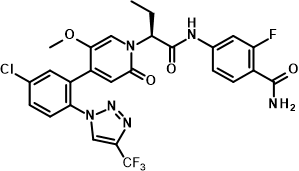
Asundexian is a white to yellowish powder. It is practically insoluble in water and 0.1 M HCl, and soluble in ethanol,
acetonitrile, and acetone. The solid asundexian substance is insensitive to thermal stress up to 60°C, non-hygroscopic, and
slightly sensitive to light.
Each Sunharbo tablet contains 50 mg asundexian. The inactive ingredients in Sunharbo are croscarmellose sodium,
magnesium stearate, and povidone. The film coating contains ferric oxide red, ferric oxide yellow, hypromellose, and
polyethylene glycol 3350.
12 CLINICAL PHARMACOLOGY
12.1 Mechanism of Action
Asundexian is an inhibitor of activated factor XI (FXIa). FXIa leads to downstream activation of Factor X, resulting in
thrombin generation via the intrinsic pathway. Thrombin activates Factor XI via a positive feedback loop, which leads to
an amplification of thrombus formation and stability. FXIa inhibition reduces amplification of thrombin generation.
12.2 Pharmacodynamics
At the recommended therapeutic dose, asundexian inhibits FXIa activity (by 97% at peak concentrations and by 93% at
trough concentrations) and prolongs activated partial thromboplastin time (aPTT) in a concentration-dependent manner.
Kaolin was used to measure aPTT in the Sunharbo clinical studies; other reagents may yield different results.
In clinical pharmacology studies, no changes were observed, at clinically relevant exposures, in prothrombin time (PT) or
International Normalized Ratio (INR) values, which assess the tissue factor and common coagulation pathways involving
factors I (fibrinogen), II (prothrombin), V, VII, and X.
Routine monitoring of aPTT or other coagulation parameters when treating patients with Sunharbo is not recommended.
Cardiac Electrophysiology
Clinically significant QTc prolongation was not observed at mean plasma concentrations 1.5 times the mean of peak
concentration provided by the recommended therapeutic dose.
12.3 Pharmacokinetics
Asundexian maximum concentration (Cmax) is 1430 (Standard Deviation [SD] 370) mcg/L, and total systemic exposure
(AUC0-tau) is 25,300 (SD 7600) (hrs*mcg/L) following daily oral dosing of 50 mg in patients with noncardioembolic
stroke or high-risk TIA. Asundexian exposure increases dose proportionally following multiple once daily doses of 25 mg
to 100 mg. Asundexian accumulation is approximately 1.5-fold at the 50 mg once daily dose. Steady-state exposure to
asundexian is reached in approximately 3-5 days.
Absorption
The absolute bioavailability of asundexian is 94%. Asundexian median (min, max) time to maximum plasma
concentration (Tmax) is 3 hours (0.75, 6 hours) at steady state. No clinically significant difference in asundexian exposure
was observed following administration of either the crushed tablet or whole tablet at the 50 mg dose.
No clinically significant differences in pharmacokinetics of asundexian were observed following administration of a high-
fat, high-calorie meal (approximately 800 to 1000 calories with 150, 250, and 500 to 600 calories from protein,
carbohydrate, and fat, respectively).
Distribution
Asundexian steady state apparent volume of distribution (Vss/F) is 79 L. Asundexian plasma protein binding is 94%
(albumin and/or low-density lipoprotein) and is not concentration dependent, in vitro.
Elimination
The estimated elimination half-life (t1/2) of asundexian is about 24 hours with an apparent (oral) clearance of 2.2 L/hr.
Metabolism
Asundexian is primarily metabolized by CES1 and to a lesser extent by CYP3A4.
Excretion
After a single dose of radiolabeled asundexian 25 mg to healthy subjects, approximately 80% of the administered dose
was excreted via feces (28% of the dose unchanged), and approximately 20% was eliminated via urine (9% unchanged).
Asundexian is a substrate of P-gp.
Specific Populations
No clinically significant differences in the pharmacokinetics of asundexian were observed based on age (21 to 98 years),
sex (67% male and 33% female), race (71% White, 1.4% Black, 0.5% American Indian or Alaska Native, and 26%
Asian), renal function (mild, moderate, or severe renal impairment or kidney failure on dialysis, eGFR estimated by CKD-
EPI equation) or mild (Child-Pugh Class A) to moderate (Child-Pugh Class B) hepatic impairment. The effect of severe
(Child-Pugh Class C) hepatic impairment on asundexian pharmacokinetics is unknown.
Drug Interaction Studies
Clinical Studies and Model-Informed Approaches
Combined P-gp and strong CYP3A4 inhibitors: Asundexian AUC increased by 103% following concomitant
administration of itraconazole 200 mg once daily for 7 days. There was no change in the mean Cmax. Limited safety data
are available for patients receiving Sunharbo with concomitant medications that are combined P-gp and strong CYP3A4
inhibitors.
Combined P-gp and moderate CYP3A4 inhibitors: Asundexian AUC increased by 76% following concomitant
administration with verapamil (240 mg once daily). There was no change in the mean Cmax. Based on clinical data the
effect on AUC is considered not clinically relevant.
Combined P-gp and strong CYP3A4 inducers: Asundexian AUC decreased by approximately 44% following concomitant
administration of carbamazepine 300 mg twice daily for 18 days. There was no change in the mean Cmax.
P-gp Substrates: Multiple doses of asundexian (75 mg once daily) increased the AUC and Cmax of digoxin (sensitive P-gp
substrate) by 40% and 57%, respectively.
CYP2C8 Substrates: Multiple doses of asundexian (75 mg once daily) increased the AUC and Cmax of repaglinide
(sensitive CYP2C8 substrate) by 38% and 40%, respectively.
BCRP Substrates: Multiple doses of asundexian (75 mg once daily) increased the AUC and Cmax of rosuvastatin (sensitive
BCRP substrate) by 33% and 41%, respectively.
Other drugs
No clinically significant differences in asundexian pharmacokinetics were observed when used concomitantly with
fluconazole (moderate CYP3A4 inhibitor), omeprazole (proton pump inhibitor), or an antacid.
No clinically significant differences in the pharmacokinetics of the following drugs were observed when used
concomitantly with Sunharbo: oral midazolam (CYP3A4 substrate), atorvastatin, pravastatin (OATP1B1/1B3 substrate) or
metformin (MATE1/2K substrate).
In Vitro Studies
CYP Enzymes: Asundexian did not inhibit CYP1A1, 1A2, 2A6, 2B6, 2C9, 2C19, 2D6, 2E1, or 2J2, or induce CYP1A2,
2B6, or 2C19 at clinically relevant concentrations. Asundexian is an inhibitor of CYP3A4 and CYP2C8 and an inducer of
CYP3A4.
Transporter Systems: Asundexian is a substrate of P-gp but not for BCRP, MRP2, MATE1, OATP1B1, or OATP1B3.
Asundexian inhibited BSEP, P-gp, BCRP, MATE1/MATE2K, OATP1B1 and OATP1B3 in vitro but did not inhibit
MRP2, OAT1, OAT3, OCT1, or OCT2.
13 NONCLINICAL TOXICOLOGY
13.1 Carcinogenesis, Mutagenesis, Impairment of Fertility
Carcinogenesis
Asundexian did not show carcinogenic potential in a 6-month study in transgenic mice at doses up to 100 mg/kg/day. In a
2-year rat carcinogenicity study, an increased incidence of pancreatic acinar cell adenomas was observed in male rats at
all asundexian doses (6, 20 and 60 mg/kg/day); the exposure at low dose is below clinical exposure (AUC) at the RHD. In
female rats, the incidence of combined acinar cell adenomas and adenocarcinomas increased at the high dose
(90 mg/kg/day), approximately 16-times the clinical exposure (AUC) at the RHD. The clinical relevance of these tumor
findings is unclear.
Mutagenesis
Asundexian was negative in a bacterial reverse mutation assay and positive in an in vitro micronucleus (MN) test in
Chinese hamster V79 cells. Asundexian was negative in the rat in vivo MN and liver Comet assays. Overall, asundexian
was determined to be negative for genotoxicity.
Impairment of Fertility
Asundexian had no effects on male or female fertility in rats administered the drug orally for 2 or 4 weeks prior to mating
and throughout the mating period at doses up to 75 mg/kg/day, approximately 7 times the clinical exposure (AUC) at the
RHD.
14 CLINICAL STUDIES
The OCEANIC-STROKE study (NCT05686070) was a multicenter, randomized, double-blind, placebo-controlled, and
event-driven phase 3 study. The study was designed to demonstrate the efficacy and safety of Sunharbo (50 mg once
daily) in combination with antiplatelet therapy for the prevention of ischemic stroke in adults 18 years or older after an
index event of acute non-cardioembolic ischemic stroke (National Institutes of Health [NIH] Stroke Scale ≤15) or high-
risk TIA (Age, Blood Pressure, Clinical Features, Duration, and Diabetes [ABCD2] score ≥6). Patients were randomized
within 72 hours after onset of symptoms.
In addition to the index event, patients should have met at least one of the following criteria: (1) acute non-lacunar infarct
on brain imaging, (2) evidence of cerebrovascular atherosclerosis on imaging, or (3) history of coronary, carotid, aortic or
peripheral atherosclerotic cardiovascular disease. Patients without evidence of a brain infarct on imaging were required to
have at least one of the following signs or symptoms of an acute ischemic stroke/TIA: motor deficit, speech deficit, visual
deficit and/or neglect.
Patients were required to undergo brain imaging ruling out hemorrhagic stroke or another etiology for symptoms such as a
brain tumor or abscess prior to randomization. Other exclusion criteria included an ischemic stroke within 7 days prior to
the index event, an index event related to a procedure or other cause such as bacterial endocarditis, sustained uncontrolled
hypertension, active non-trivial bleeding, major surgery during the last 30 days prior to randomization, modified Rankin
score ≥ 4 prior to the index event, history of atrial fibrillation/flutter, left ventricular thrombus, mechanical valve, or other
cardioembolic source of stroke requiring anticoagulation. Prophylactic doses of anticoagulation were permitted.
The study randomized 12,327 patients to receive either Sunharbo (N=6,162) or placebo (N=6,165), with a median
treatment duration of 14.2 months. At randomization, 95% had a documented ischemic stroke and 5% had a high-risk TIA
and about 63% of patients were expected to receive DAPT. The median NIH Stroke Scale was 2; NIH Stroke Scale was
≤3, 4-7, and ≥8-15 in 71%, 23%, and 6% of the patients, respectively. The study population was 66% White, 28% Asian,
2% Black, and 3% Other. The mean age at enrollment was 68 years, and 67% of the patients were male and 33% were
female. At baseline, 35% had diabetes, 80% hypertension, 16% coronary artery disease, 4% peripheral artery disease, 6%
chronic kidney disease and 22% history of stroke or TIA prior to the index event. For treatment of the index stroke, 19%
of patients underwent thrombolysis only, 3% underwent thrombectomy only, and 4% had both.
The primary efficacy endpoint was the time to first occurrence of ischemic stroke. The secondary efficacy endpoints were
all strokes (ischemic or hemorrhagic); a composite of cardiovascular death, myocardial infarction or stroke; and a
composite of all-cause mortality, myocardial infarction, or stroke.
Sunharbo reduced the risk of the primary endpoint of ischemic stroke compared to placebo in a time-to-event analysis
using the Cox proportional hazards model and log-rank test: Hazard Ratio (HR) 0.74 (95% CI 0.65-0.84, p<0.0001). See
Table 2 and Figure 1. The treatment effect for the primary endpoint was consistent across all predefined subgroups
including sex, age, type of index event, stroke severity, DAPT, thrombolysis and/or endovascular therapy.
Sunharbo reduced the risk of secondary endpoints of all strokes (ischemic or hemorrhagic) (HR 0.74, 95% CI 0.65-0.84),
the composite of cardiovascular death, myocardial infarction or stroke (HR 0.83, 95% CI 0.74-0.92), and the composite of
all-cause mortality, myocardial infarction or stroke (HR 0.86, 95% CI 0.77-0.95) compared to placebo. The results of
these secondary endpoints were primarily driven by reduction in ischemic stroke, and there was no difference for all
cause-mortality (Table 2).
Figure 1: Time to first occurrence of ischemic stroke in the OCEANIC-STROKE study
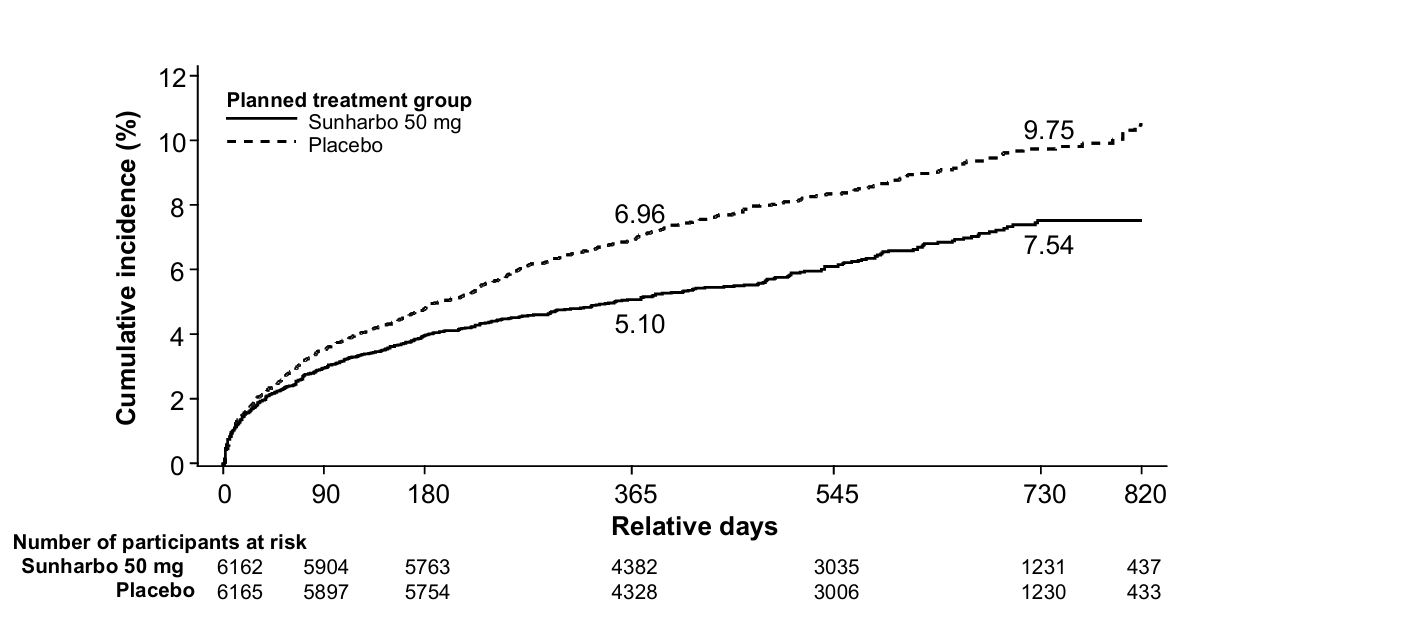
Table 2: Primary and secondary efficacy outcomes in the OCEANIC-STROKE study
| Sunharbo 50 mg once daily N=6162 | Placebo N=6165 | Treatment Effect Sunharbo / Placebo | ||
|---|---|---|---|---|
| Primary Endpoints: | n (%) | n (%) | Hazard Ratio (95% CI) | p-value |
| Ischemic stroke* | 384 (6.2%) | 518 (8.4%) | 0.74 (0.65;0.84) | <0.0001† |
| Secondary Endpoints: | ||||
| All strokes (ischemic or hemorrhagic)*,‡ | 404 (6.6%) | 545 (8.8%) | 0.74 (0.65;0.84) | <0.0001† |
| Hemorrhagic stroke | 21 (0.3%) | 28 (0.5%) | 0.75 (0.43;1.33) | |
| Composite of CV death, MI, or stroke*,§ | 568 (9.2%) | 685 (11.1%) | 0.83 (0.74;0.92) | 0.0008† |
| CV death | 148 (2.4%) | 163 (2.6%) | 0.91 (0.73;1.14) | |
| MI | 72 (1.2%) | 60 (1.0%) | 1.21 (0.86;1.70) | |
| Composite of all-cause mortality, MI, or stroke* | 649 (10.5%) | 757 (12.3%) | 0.86 (0.77;0.95) | 0.003† |
| All-cause mortality | 248 (4.0%) | 253 (4.1%) | 0.98 (0.83;1.17) | |
Abbreviations: N = number of subjects, n = number of subjects with event; CI = confidence interval, CV = cardiovascular; MI = myocardial infarction
* Time to first occurrence
† Statistically significant
‡ Ischemic stroke component data are available as primary endpoint.
§ Stroke component data are available as first secondary endpoint.
16 HOW SUPPLIED/STORAGE AND HANDLING
16.1 How Supplied
Sunharbo 50 mg tablets are supplied as dark orange, film-coated, oval, biconvex tablets marked ‘BAY’ on one side and
‘50’ on the other side. Sunharbo tablets are available in the following package sizes:
- 30-count bottleNDC 50419-399-01
- 100-count hospital pack (10 blister cards containing 10 tablets each)NDC 50419-399-10
16.2 Storage and Handling
Store at 20°C to 25°C (68°F to 77°F); excursions are permitted from 15°C to 30°C (59°F to 86°F) [see USP Controlled
Room Temperature].
Store in original bottle. Do not remove desiccant.
17 PATIENT COUNSELING INFORMATION
Advise the patient to read the FDA-approved patient labeling (Patient Information).
Advise patients and/or caregivers to inform their healthcare provider before scheduling any surgery or other invasive
procedure because Sunharbo should be withheld at least 24 hours prior to the surgery or procedure [see Dosage and
Administration (2.4)].
For patients unable to swallow whole tablets, advise patients and/or caregivers that tablets may be crushed, mixed with
water or soft foods and administered by mouth as an oral suspension or administered via a feeding tube [see Dosage and
Administration (2.2)].
Advise patients to take a missed dose as soon as possible on the same day. If the missed dose cannot be taken within the
same day, the patient should skip the missed dose and resume with the next scheduled dose at the regular time [see
Dosage and Administration (2.3)].
Pregnancy
Advise patients who are exposed to Sunharbo during pregnancy to contact Bayer Healthcare Pharmaceuticals Inc.at 1-
888-842-2937 [see Use in Specific Populations (8.1)].
Lactation
Advise females not to breastfeed during treatment with Sunharbo and for 5 days after the last dose [see Use in Specific
Populations (8.2)].
© 2026, Bayer HealthCare Pharmaceuticals Inc., All rights reserved.
Distributed by
Bayer HealthCare Pharmaceuticals Inc.
Whippany, NJ 07981
SUNHARBO® (sun har boe)
(asundexian)
tablets, for oral use
What is Sunharbo?
Sunharbo is a prescription medicine used to lower the risk of stroke in adults with recent:
- stroke caused by a clot that blocks blood flow in the brain (ischemic stroke), or
- high-risk mini stroke (transient ischemic attack or TIA).
Sunharbo is not for strokes caused by clots that come from the heart.
Sunharbo should be used in combination with another medicine that helps prevent blood clots (antiplatelet medicine).
It is not known if Sunharbo is safe and effective in children.
Before taking Sunharbo, tell your healthcare provider about all your medical conditions, including if you:
- plan to have surgery or a medical or dental procedure. You should stop taking Sunharbo for at least 24 hours before
any planned surgery or procedures. - have liver problems.
- are pregnant or plan to become pregnant. It is not known if Sunharbo will harm your unborn baby.
Females who are able to become pregnant:- Talk with your healthcare provider about pregnancy planning during treatment with Sunharbo.
- If you are exposed to Sunharbo during pregnancy, talk to your healthcare provider and contact Bayer Healthcare
Pharmaceuticals Inc. at 1-888-842-2937.
- are breastfeeding or plan to breastfeed. It is not known if Sunharbo passes into your breast milk. Do not breastfeed
during treatment with Sunharbo and for 5 days after your last dose. Talk to your healthcare provider about the best
way to feed your baby during treatment with Sunharbo.
Tell your healthcare provider about all the medicines you take, including prescription and over-the-counter
medicines, vitamins, and herbal supplements. Sunharbo may affect the way other medicines work, and other medicines
may affect how Sunharbo works.
Know the medicines you take. Keep a list of them to show to your healthcare provider and pharmacist when you get a
new medicine.
How should I take Sunharbo?
- Take Sunharbo exactly as your healthcare provider tells you to take it.
- Take Sunharbo 1 time a day, with or without food.
- Swallow Sunharbo tablets whole.
- If you cannot swallow Sunharbo tablets whole, talk to your healthcare provider about other ways to take Sunharbo.
- If you miss a dose of Sunharbo, take it as soon as possible on the same day. If it cannot be taken on the same day,
skip the missed dose and take your next scheduled dose at your regular time. - If you take too much Sunharbo, call your healthcare provider or go to the nearest hospital emergency room right
away.
What are the possible side effects of Sunharbo?
The most common side effect of Sunharbo is diarrhea.
This is not the only possible side effect of Sunharbo.
Call your doctor for medical advice about side effects. You may report side effects to FDA at 1-800-FDA-1088.
How should I store Sunharbo?
- Store Sunharbo at room temperature between 68°F to 77°F (20°C to 25°C).
- Store Sunharbo in the original bottle.
- The bottle contains a drying agent (desiccant) to help keep the tablets dry. Do not remove the desiccant from the
bottle. - Sunharbo prepared in a syringe for feeding tube (nasogastric or gastric tube) dosing can be stored between 36°F to
86°F (2°C to 30°C) for up to 24 hours.
Keep Sunharbo and all medicines out of the reach of children.
General information about the safe and effective use of Sunharbo.
Medicines are sometimes prescribed for purposes other than those listed in Patient Information. Do not use Sunharbo
for a condition for which it was not prescribed. Do not give Sunharbo to other people, even if they have the same
symptoms that you have. It may harm them. You can ask your pharmacist or healthcare provider for information about
Sunharbo that is written for health professionals.
What are the ingredients in Sunharbo?
Active ingredient: asundexian
Inactive ingredients: croscarmellose sodium, magnesium stearate, and povidone. The film coating contains ferric
oxide red, ferric oxide yellow, hypromellose, and polyethylene glycol 3350.
Distributed by Bayer HealthCare Pharmaceuticals Inc., Whippany, NJ 07981
© 2026
Bayer HealthCare Pharmaceuticals Inc. All rights reserved.
For more information, go to www.sunharbo.com or call 1-888-842-2937.